Cold Weather EV Charging: Why You Need Level 2 Power By Winter
Ferguson Electrical Solutions • October 6, 2026
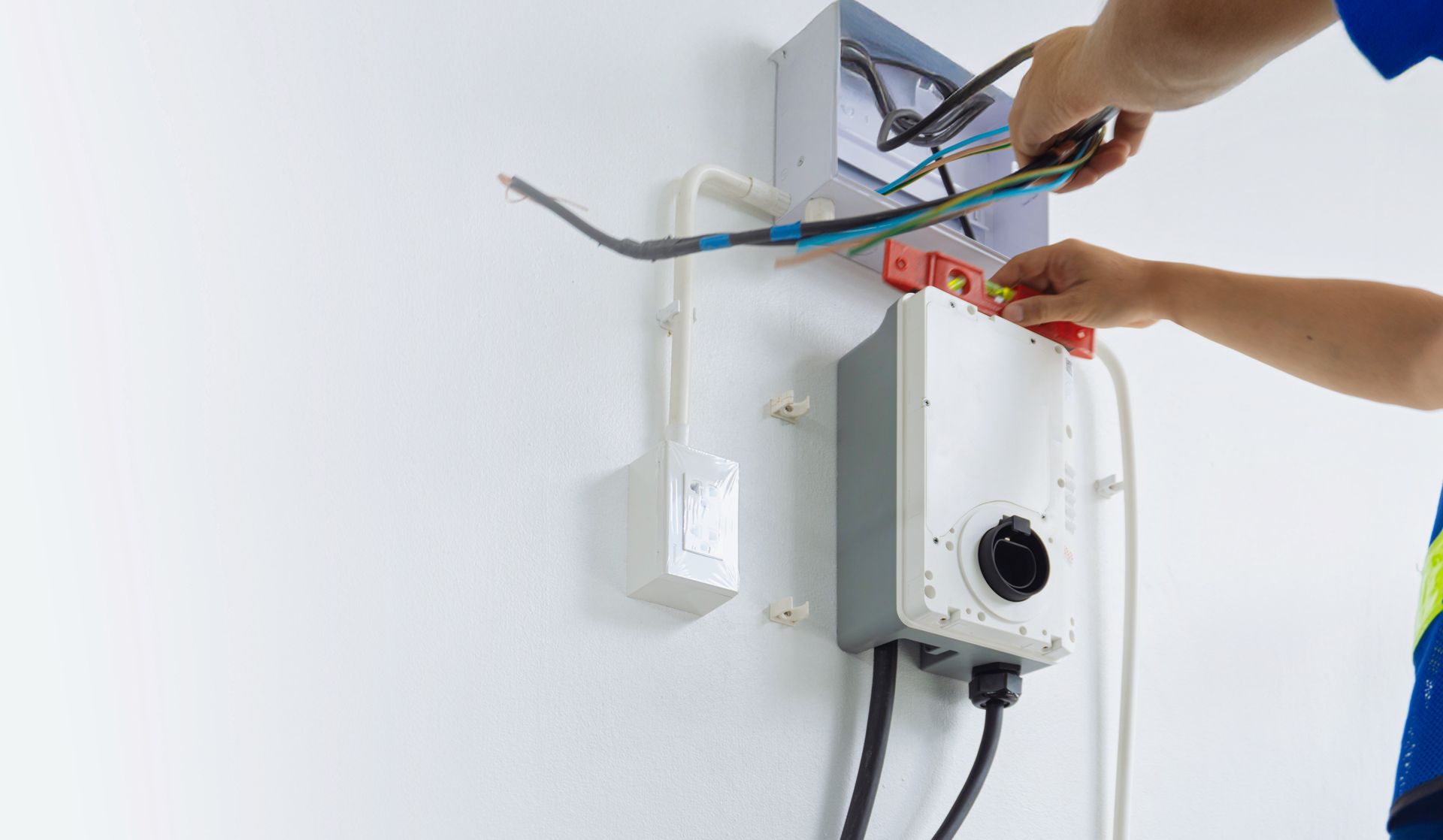
Parking an electric vehicle in your garage brings immense convenience, but standard wall outlets rarely keep up with daily driving habits. Winter conditions make this even more obvious as cold batteries demand more energy just to reach an optimal charging temperature. At Ferguson Electrical Solutions, we help homeowners step up their charging game with proper infrastructure. We know that getting a Level 2 electric vehicle charger installation done right is critical for your daily commute.
Relying on a basic trickle charge when the temperature drops often leaves you with less range than you need for the morning drive. Upgrading your home wiring requires careful planning to ensure your electrical panel can safely handle the massive continuous load. We want to guide you through exactly what to check and ask before committing to an installation.
Panel Capacity Checks
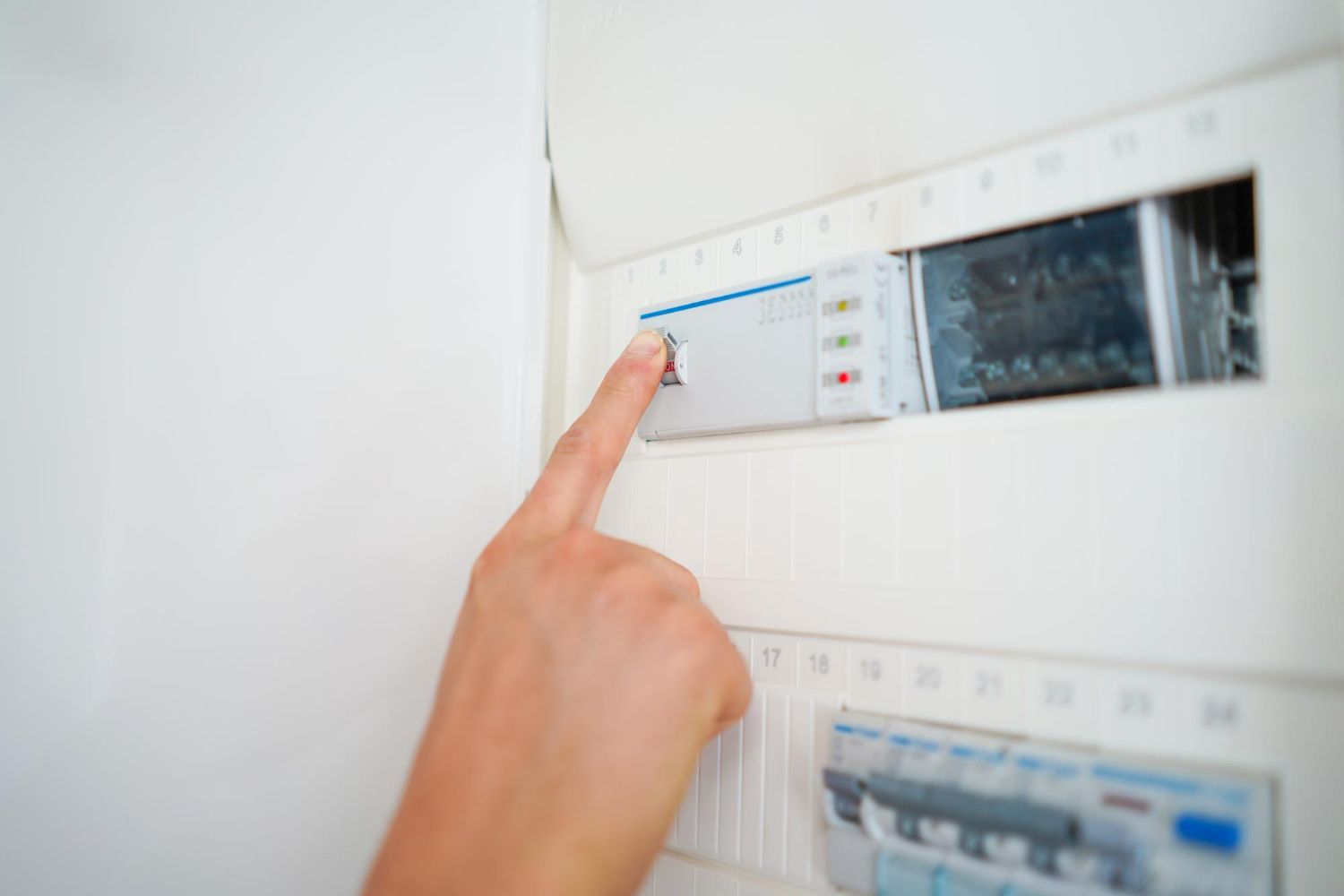
Before any wires are run, you must know if your current electrical service can support the heavy demand of a Level 2 charger. These units pull a continuous load for hours, which can easily overwhelm an older residential panel in Galt. An overloaded panel will trip the main breaker and leave your entire house in the dark.
- Load calculation: A professional must calculate your existing electrical load to see how much spare capacity is actually available.
- Service upgrades: If you have a 100-amp service, you will likely need an upgrade to 200 amps to safely run the charger alongside your stove and dryer.
- Dedicated circuits: Your new charger requires its own dedicated circuit to prevent interference with other garage appliances.
Red Flags with Installers
Not every contractor understands the specific code requirements for continuous load devices. Hiring someone who cuts corners can lead to melted wires, damaged vehicle batteries, or serious fire hazards. It is crucial to spot the warning signs of a bad installation plan before the work begins.
- Skipping the permit: Any legitimate installation requires a permit and inspection by the Electrical Safety Authority.
- Undersized wire: Using standard gauge wire instead of the heavier gauge required for continuous loads will cause overheating.
- Missing load calculations: If the contractor simply guesses that your panel is big enough without doing the math, find someone else immediately.
It is a pattern the team at Ferguson Electrical Solutions hears regularly when homeowners want fast charging setups.
►Client Experience: Very quick response and very competitive rate! Would recommend for installing wiring for EV charger! - Mike Clazie
Getting the right wiring installed correctly the first time prevents massive headaches down the road.
Questions to Ask Before Hiring
Protecting your property means asking direct questions about the materials and methods your electrician plans to use. You need certainty that the system will perform reliably night after night. Never hesitate to ask for specifics about their installation process.
- Ask about the receptacle quality: Commercial grade receptacles are mandatory because cheap residential outlets will melt under the constant heat of vehicle charging.
- Ask about GFCI requirements: Clarify if the specific charger model requires a ground fault breaker at the panel, as doubling up on ground fault protection can cause nuisance tripping.
- Ask about future proofing: Discuss whether running a slightly larger wire now makes sense in case you upgrade to a faster charger in the future.
Does cold weather slow down EV charging?
Yes, cold weather significantly slows down the charging process because the vehicle must use incoming power to warm the battery before it can efficiently store energy. A basic Level 1 charger barely provides enough power to heat the battery, leaving very little energy to actually charge the vehicle. Upgrading your power supply ensures you have enough wattage to heat the battery and fill it simultaneously.
Making the Switch to Faster Power
Driving on electric power should be convenient, not a source of range anxiety during the colder months. Ensuring your home panel and wiring are fully prepared for the load will keep your vehicle ready for the road every single morning. Reach out to our team to properly assess your panel and plan your installation safely.
Share This Blog