Why Your Hot Tub GFCI Breaker Keeps Tripping in Cambridge ON
Ferguson Electrical Solutions • September 22, 2026
A hot tub should be a reliable place to unwind after a long day in Cambridge. But when you step outside and find the water freezing cold because the breaker tripped again, that relaxation disappears quickly. At Ferguson Electrical Solutions, we see this exact issue constantly as the weather shifts. Understanding why your hot tub GFCI tripping in Cambridge happens is the first step to getting your backyard oasis running properly again.
Repeated tripping is a vital safety mechanism doing its job to protect you from electrical faults. Ignoring the warning signs or forcing the breaker to stay on can lead to ruined equipment or serious shock hazards. We want to help you identify the common culprits behind these electrical faults so you can get back to enjoying your downtime safely.
Tip #1: Check the Heating Element for Corrosion
The heating element sits directly in the water and is a prime suspect for electrical faults. Over time, chemical imbalances break down the protective casing around the element. Once water touches the internal wiring, the breaker instantly trips to keep you safe.
- Visual inspection: Look for scaling or rust around the heater housing tube.
- Water testing: Keep your chlorine and pH levels strictly balanced to prevent metal degradation over the season.
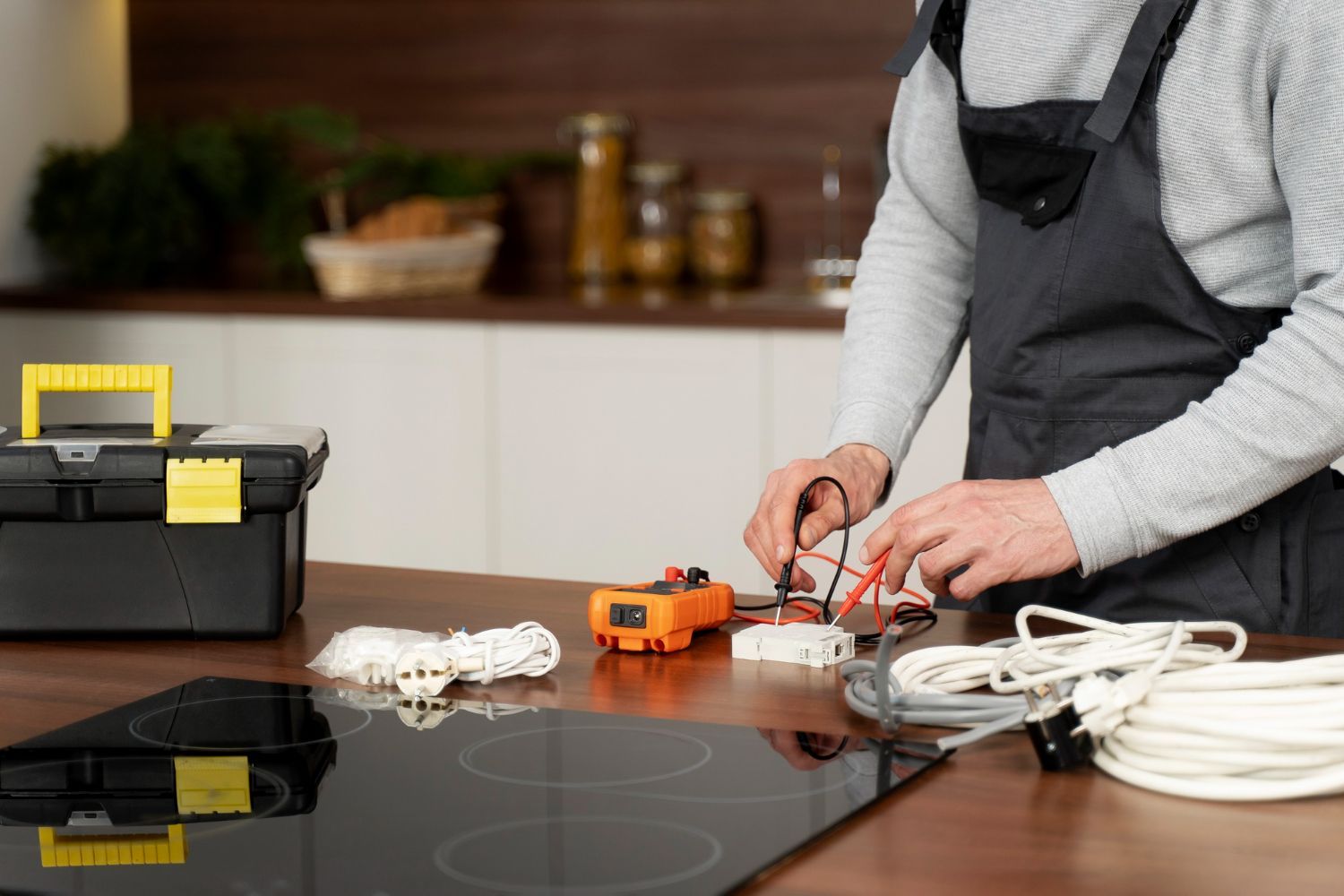
- Professional testing: An electrician will check for continuity issues within the element before recommending a replacement.
Tip #2: Look for Moisture in the Control Box
Your control box houses the main electrical connections and circuit boards for the tub. While these boxes are designed to keep water out, heavy rain near Shade's Mills Conservation Area or simple condensation can introduce moisture. Even a single drop of water across two terminals will trigger a ground fault.
- Condensation check: Look for water droplets on the inside of the access panel door after a temperature swing.
- Seal inspection: Verify that the rubber gaskets around the box are not cracked or missing.
- Pest entry: Spiders and insects often build nests inside these warm enclosures and cause short circuits across the board.
Tip #3: Inspect the Circulation Pump
Pumps work hard to push water through the filters and heater. When a pump motor begins to fail, it draws excess current and overheats. This sudden spike in electrical demand will overload the circuit and shut the entire system down immediately.
- Listen for noise: A grinding or humming sound usually indicates failing bearings in the pump motor assembly.
- Check for leaks: Puddles under the pump mean water is likely seeping into the motor windings and causing a fault.
- Monitor timing: If the breaker trips exactly when the jets turn on, the pump is almost certainly the root cause.
Tip #4: Test the Ground Fault Breaker Itself
Sometimes the problem is not the hot tub equipment at all. Breakers degrade over time from heat, age, and repeated tripping cycles. A weak breaker will trip even when the tub is operating perfectly normally. We always test the actual trip threshold in milliamps to confirm if the breaker is out of calibration.
- Age factor: Breakers older than ten years often become overly sensitive and require replacement to hold a steady load.
- Reset protocol: Push the breaker firmly to the off position before trying to turn it back on.
- Wire insulation: We test the underground conduit run with a megohmmeter to ensure the buried wires have not degraded.
Frequently Asked Questions
Can a dirty filter cause the breaker to trip?
A clogged filter restricts water flow and forces the circulation pump to work much harder than normal. This extra strain causes the pump motor to pull more electrical current and overheat. The breaker will trip to prevent the motor from burning out entirely.
Is it safe to just keep resetting the breaker?
Repeatedly resetting a tripping breaker is highly dangerous and can melt the internal contacts. Every time you force it back on against an active short circuit, you risk causing an electrical fire or sending stray voltage into the water. If it trips more than once, leave it off and call a professional.
Do I need to replace the wiring if the breaker is bad?
A faulty breaker does not automatically mean your underground wiring is compromised. However, we always test the wire insulation to ensure no ground faults exist in the conduit run from the house. If the wiring tests fine, replacing the breaker is a straightforward job.
Getting Your Tub Back to Normal
Dealing with a cold tub is frustrating when you just want to unwind in your own backyard. Taking the time to properly diagnose the root cause ensures your equipment stays safe and operational all season long. Contact our team to trace the fault and get your water hot again.
Share This Blog