Why Your AC Keeps Tripping the Breaker in Your Cambridge Home
Ferguson Electrical Solutions • August 5, 2026
Summer heat in Southern Ontario can push residential cooling systems to their absolute limits. When you rely on your air conditioning to keep your house comfortable, having the system shut down unexpectedly is incredibly frustrating. Ferguson Electrical Solutions receives calls every summer from homeowners dealing with this exact issue. An AC unit that constantly trips the circuit breaker is not just an inconvenience but a clear sign of an underlying electrical or mechanical fault that needs attention.
Addressing a tripping breaker requires understanding the root causes rather than just resetting the switch over and over. Continually forcing a tripped breaker back on can damage your electrical panel and increase the risk of an electrical fire. By diagnosing the specific failure mode, you can protect your property and ensure your cooling system operates safely. This guide breaks down the most common reasons your AC is overloading the circuit and the steps required to permanently resolve the problem.
Dirty Air Filters and Restricted Airflow
Your air conditioning system requires a consistent flow of air to function efficiently and keep its internal components cool. When air filters become clogged with dust and debris, the blower motor has to work significantly harder to pull air through the system. This extra mechanical strain translates directly into higher electrical current draw. If the current exceeds the safety rating of the circuit, the breaker trips to prevent the wires from overheating.
Homeowners in the Galt area of Cambridge often notice this issue during the peak heat of late July when systems run non stop. Changing your filters regularly is the first line of defense against overworking your blower motor. When the motor draws too much power, it not only trips the breaker but also shortens the lifespan of the equipment.
→ A quick tip to remember: Replacing your AC filter every month during heavy use can prevent unnecessary electrical strain and keep your cooling bills in check.
Why does my AC breaker trip after a few minutes?
If you reset the breaker and the system runs for a short period before shutting down again, you are likely dealing with a grounded compressor or a short circuit in the wiring. The compressor is the heart of the cooling system, pumping refrigerant through the lines. Over time, the internal insulation inside the compressor can break down, causing the electrical current to bypass its normal path and flow directly to the metal casing.
This condition creates a massive surge in electrical demand that the breaker immediately detects and stops. A tripping breaker doing its job prevents this surge from melting wires or starting a fire inside your walls. Our residential electric team frequently traces these short circuits to degraded wire insulation outdoors, where exposure to weather and UV light takes a toll.
This is a pattern the team at Ferguson Electrical Solutions hears regularly when clients try to troubleshoot breaker issues on their own.
►Galt shares "Called at 9pm to get a quote for a circuit breaker replacement that I thought was faulty. I spoke to Derrick and he spent a few minutes explaining why the breaker might not be the problem and told me to make sure that I had properly reset it by pushing it firmly off and on again. Turns out we had not reset it properly and it was still working fine. Thank you Derrick."
Professional guidance is crucial because a breaker that trips repeatedly is almost always signaling a deeper hardware failure.
Failing Capacitors and Motor Strain
The capacitor acts as a massive battery that gives the AC motor the initial jolt of energy it needs to start spinning. When a capacitor begins to fail, it loses its ability to hold a charge, forcing the motor to draw that starting energy directly from your home electrical panel. This sudden and sustained spike in power draw will easily overload a standard circuit and trip the breaker.
You might notice a humming sound coming from the outside unit right before the power cuts out. This sound is the motor struggling to start without the help of a functioning capacitor. Replacing a swollen or leaking capacitor is a standard emergency electrical repair that immediately resolves the power spike and protects the motor from burning out.
→ From a professional standpoint: A weak capacitor forces your AC to pull up to three times its normal starting current, making it the most common culprit for tripped outdoor breakers.
Why DIY Electrical Fixes Make the Problem Worse
Attempting to fix a tripping AC breaker yourself often leads to much more expensive repairs. One of the most dangerous DIY mistakes is replacing the existing breaker with a larger one to stop the tripping. The circuit breaker is sized specifically to protect the gauge of wire hidden inside your walls. Installing a larger breaker allows more current to flow than the wires can safely handle, which literally cooks the insulation and creates a massive fire hazard.
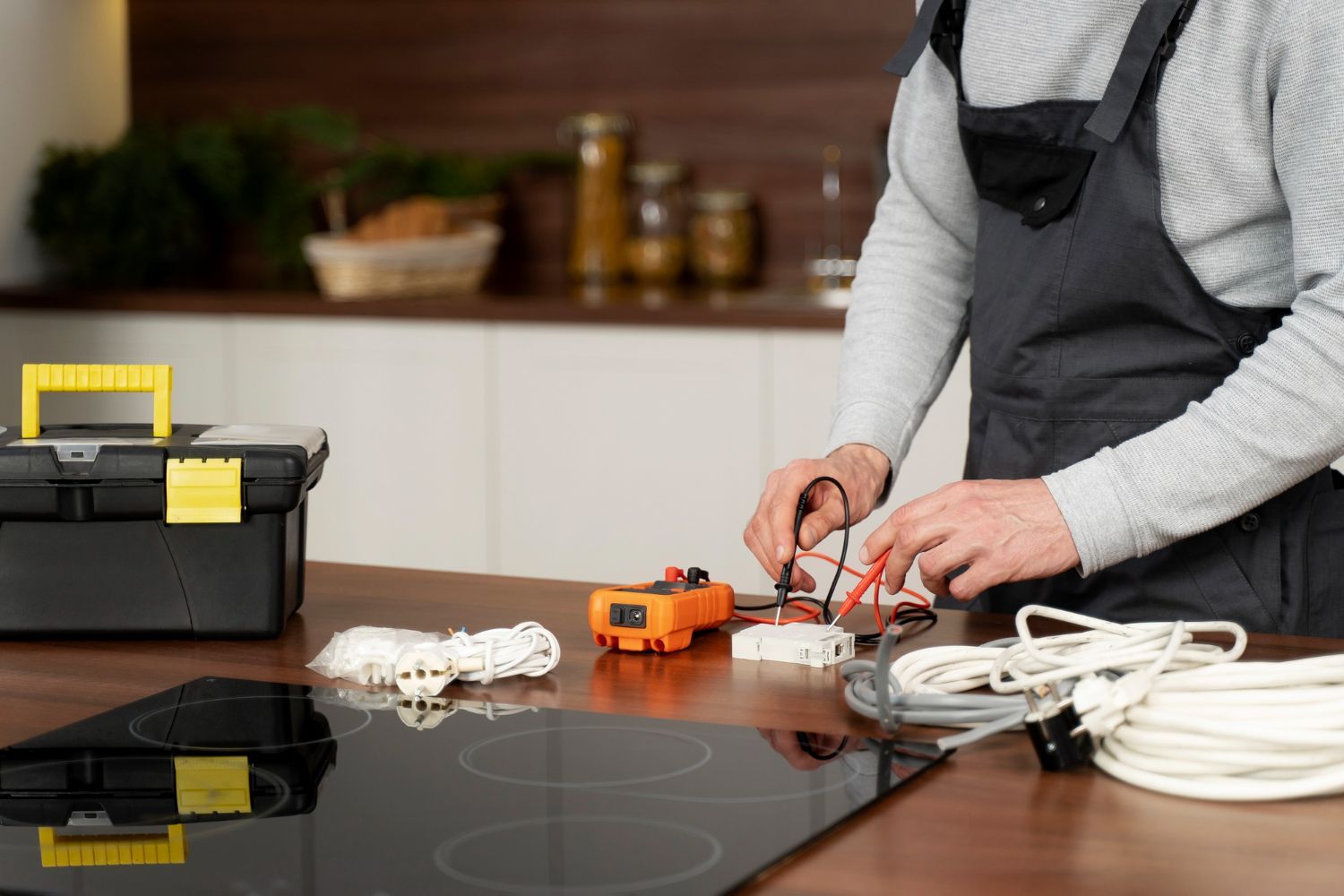
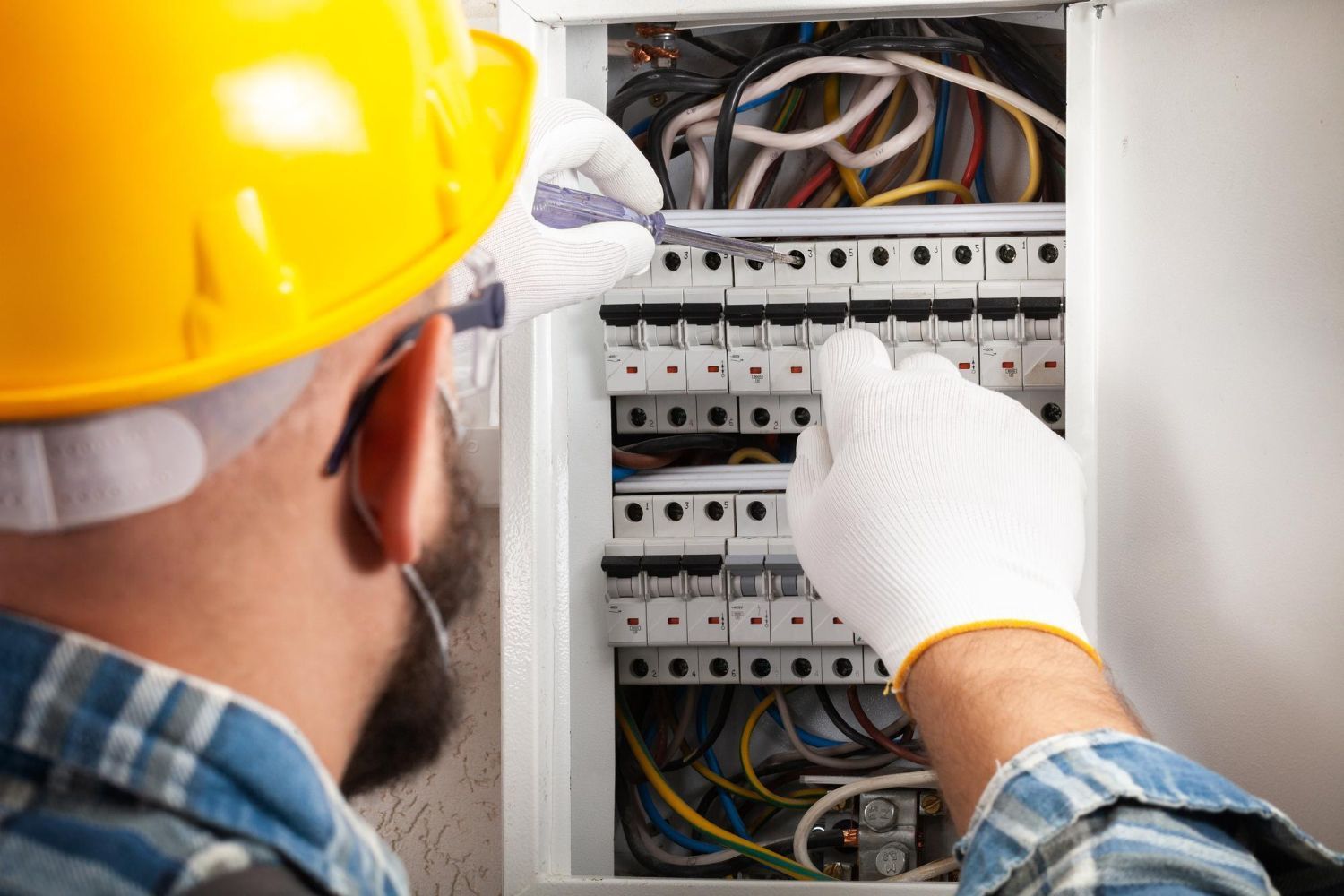
Ignoring the root cause and just replacing parts without proper diagnostic tools also voids equipment warranties. An HVAC technician or licensed electrician can measure the exact amperage draw and test the capacitance to pinpoint the exact failure. Trusting a professional ensures your property remains safe and your cooling system is repaired correctly the first time.
→ A quick tip to remember: Never upsize a circuit breaker to solve a tripping issue, as this removes the only safety mechanism protecting your home from an electrical fire.
Restoring Safe and Reliable Cooling Power
Dealing with an electrical system that cannot support your cooling needs is stressful during the hot summer months. Identifying the actual cause of the power interruption protects your expensive HVAC equipment and keeps your property safe from electrical hazards. Reach out to a licensed electrician to inspect your panel and outdoor wiring so you can get back to enjoying a comfortable, properly cooled home.
Share This Blog